Homeschool Chronicles Pt.1
Canadian Thanksgiving
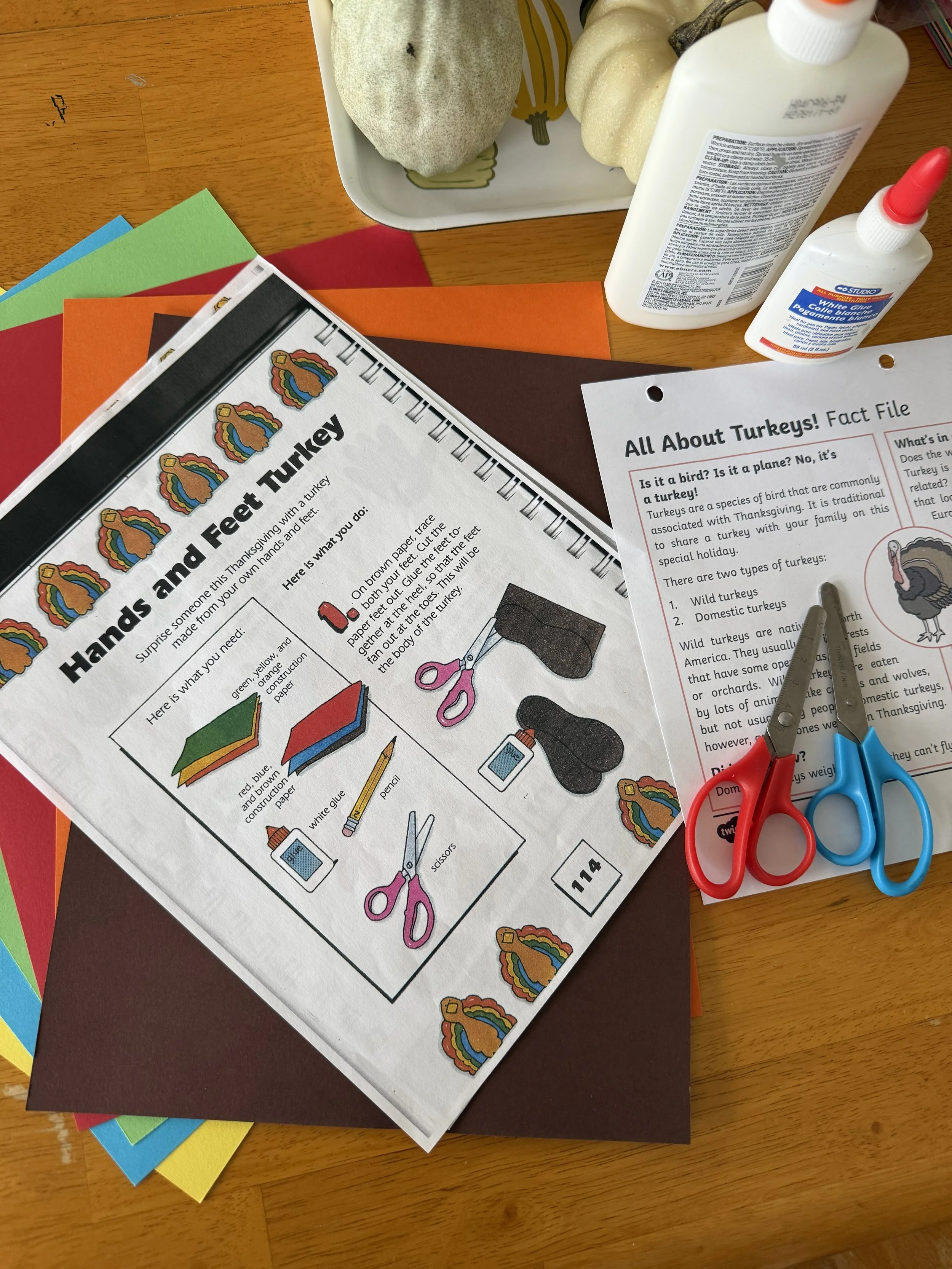
I’ve decided that I’d like to do a little weekly roundup of our homeschool activities! I want to create a little space so that I can reflect on the previous week as we navigate home education with our two little boys, because sometimes it feels like a lot! There’s lots of room to question yourself as a homeschooling parent, and to wonder if you’re doing things right, or well enough. And I want to be able to look back and see all the work we’ve all put into it, as well as all the fun we’ve had! I know there’s lots of homeschooling pages out there and so much noise and information about what to do and how to do it, so don’t worry, this isn’t that. But maybe it will inspire someone to see that they can do it, too.
Weekly Themes
When I’m planning out my homeschooling week, I like to pick a theme to work with. For example, last week was pumpkins. I try to keep it seasonal when I can, to help us pay attention and get excited about the natural rhythms of nature and the year. Having weekly or monthly themes for homeschooling obviously isn’t necessary, and the reasons I’ve chosen to do it are just as much for me as they are for my kids. Having a theme in mind helps me pick activities and books, and it honestly just makes it more fun for me to plot and scheme!
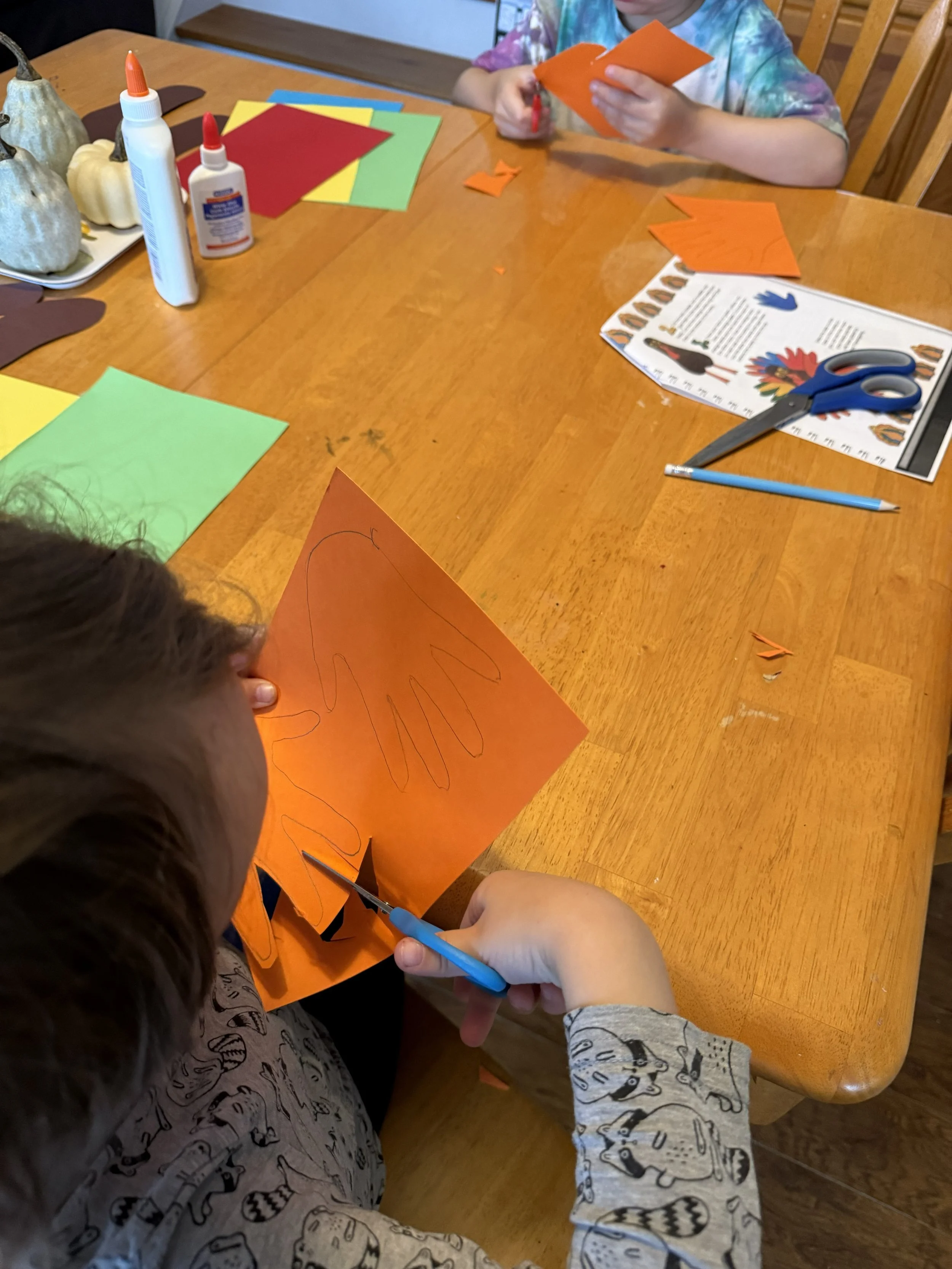
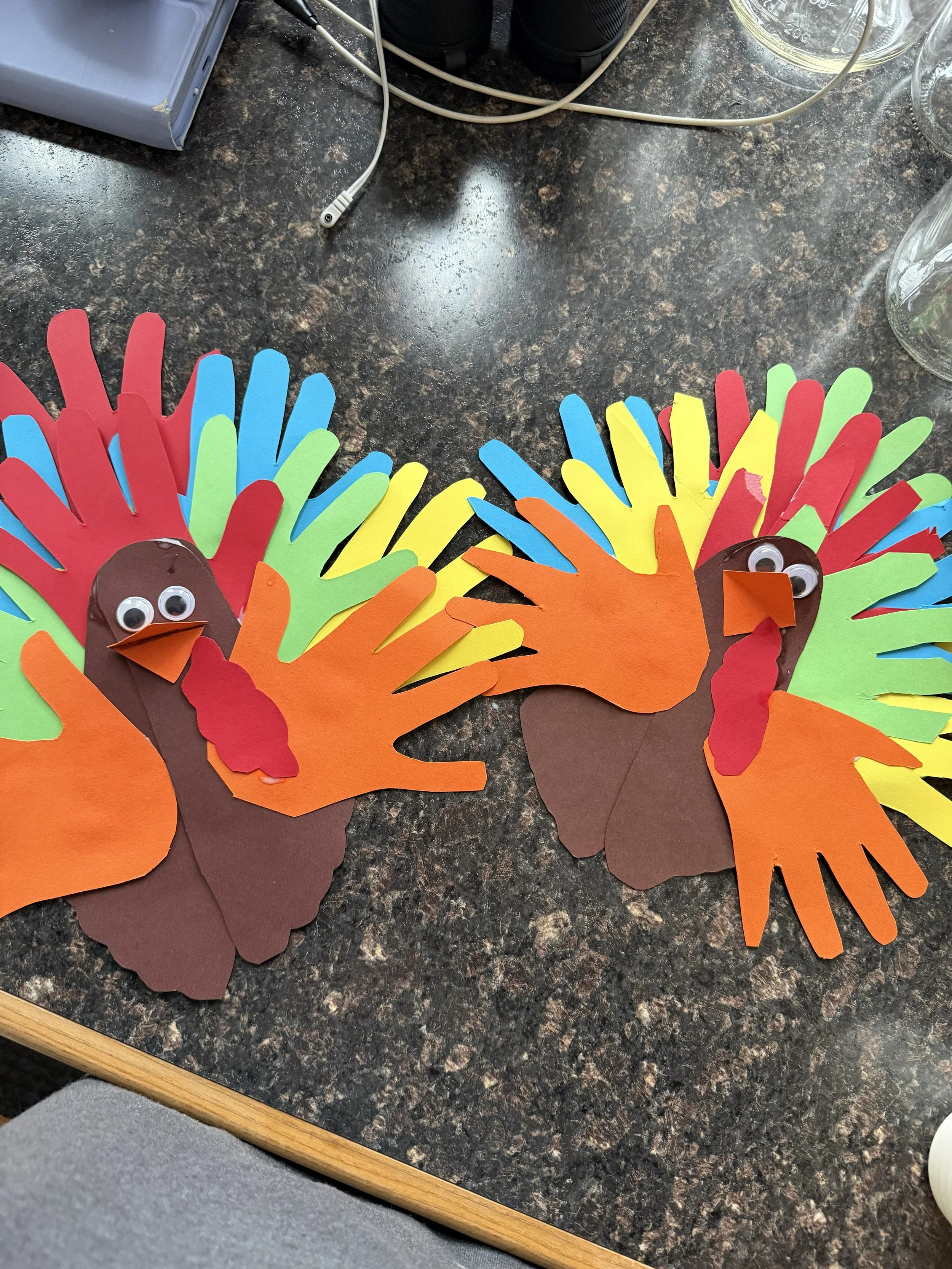
This past week our theme was Thanksgiving.
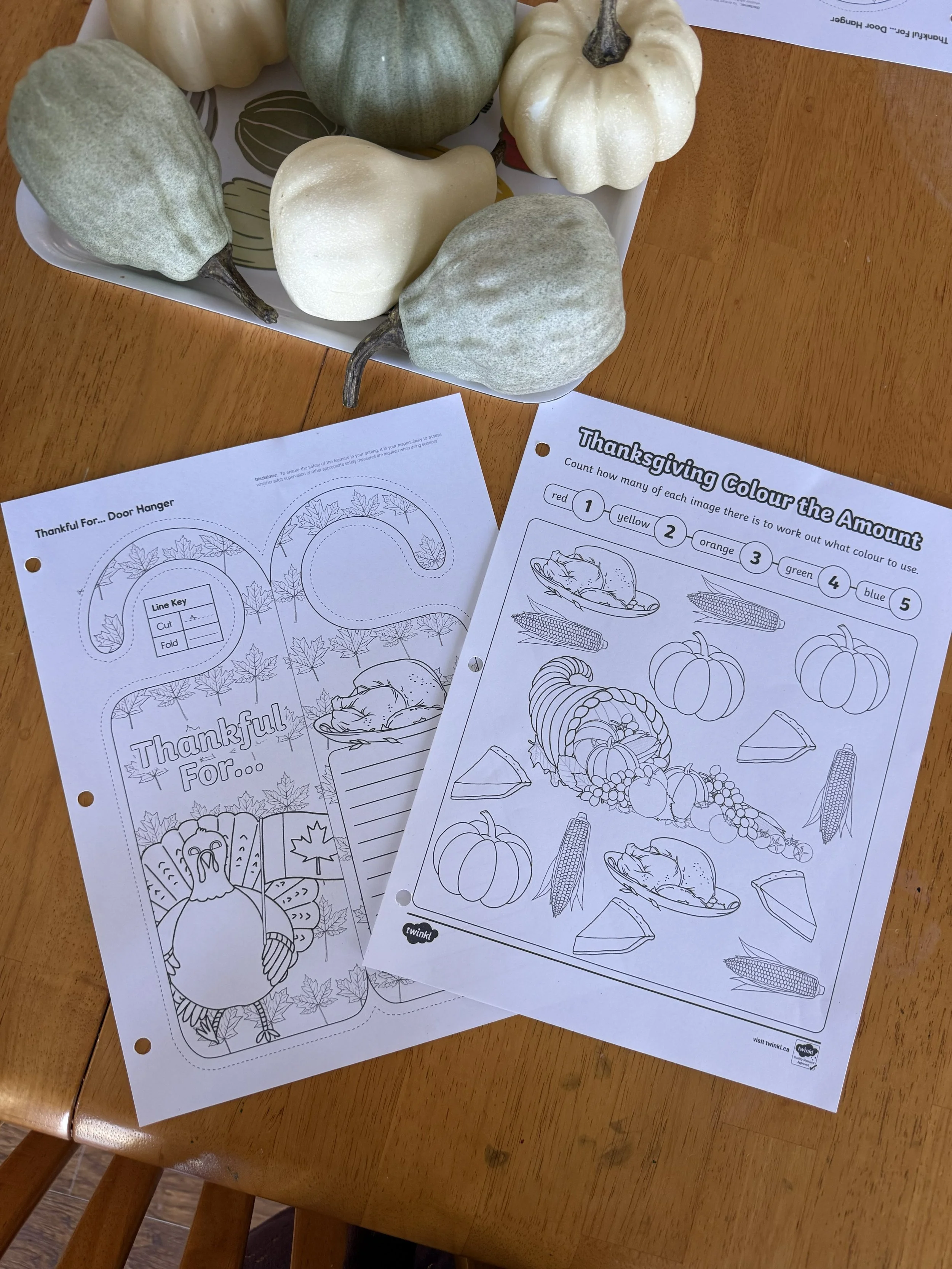
Thanksgiving Theme
This felt like a tricky thing to navigate when I first started thinking about it. One of the things that drew me to homeschooling in the first place was that I’d be able to give my kids an honest education outside of the current over-culture, and that I would be able to help them reach adulthood as empathetic and caring individuals who aren’t indoctrinated into a system that so clearly isn’t working. So I knew I had to approach Thanksgiving in an age-appropriate yet truthful way. For context, my kids are 4 and 6.
Thanksgiving in Canada is basically directly on the heels of the National Day for Truth and Reconciliation, a day for Canadians to pause and reflect on the atrocities committed against the Indigenous people of this land, especially residential schools, as well as the atrocities still being committed against them to this day.
When I was explaining this to my kids, we had to start with the basics; who were the first people who lived here, who were the first settlers, what happened when the settlers arrived, and what does that mean for people alive today? I acted it out with little paper people and my kids understood the unfairness of the situation right away. It made quite an impression on them! Kids are automatically wired to understand this stuff.
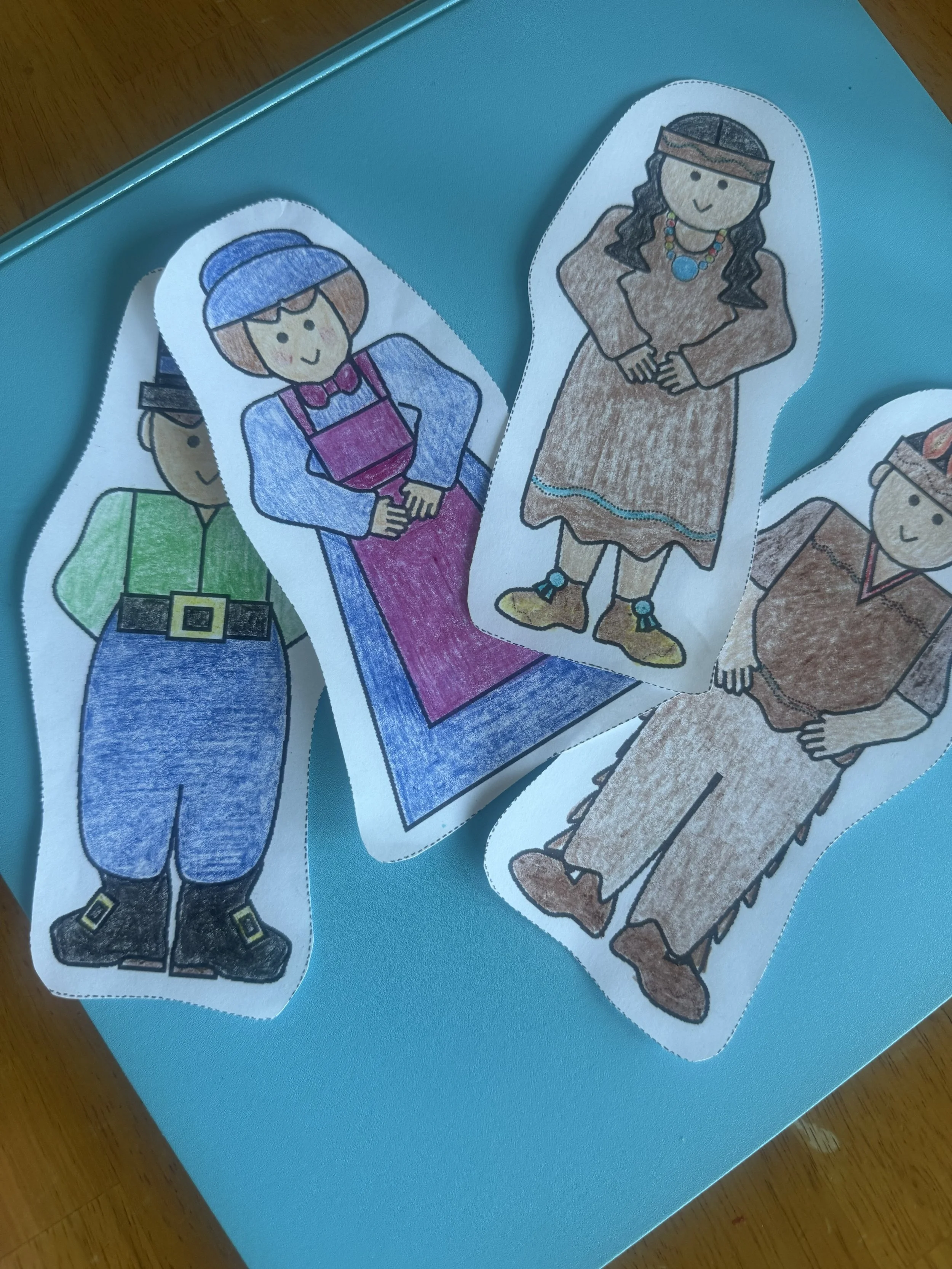
Learning About The Past
This was all freshly in their minds when we had our talk about Thanksgiving. We read part of a story that talked about “the pilgrims” and the “first peoples” in the “new world”, and how the Indigenous people taught the pilgrims how to grow pumpkins. The story went on the give the classic tale of Thanksgiving as the “first harvest feast” where the pilgrims celebrated having enough food for winter and thanked the native people for “sharing with them”. Then we dissected the story and talked about the truth. That the “new world” wasn’t new at all, that the “first peoples” had been living here for thousands of years and that the settlers really did owe their survival to the Indigenous people, but that they didn’t treat them with fairness in return.
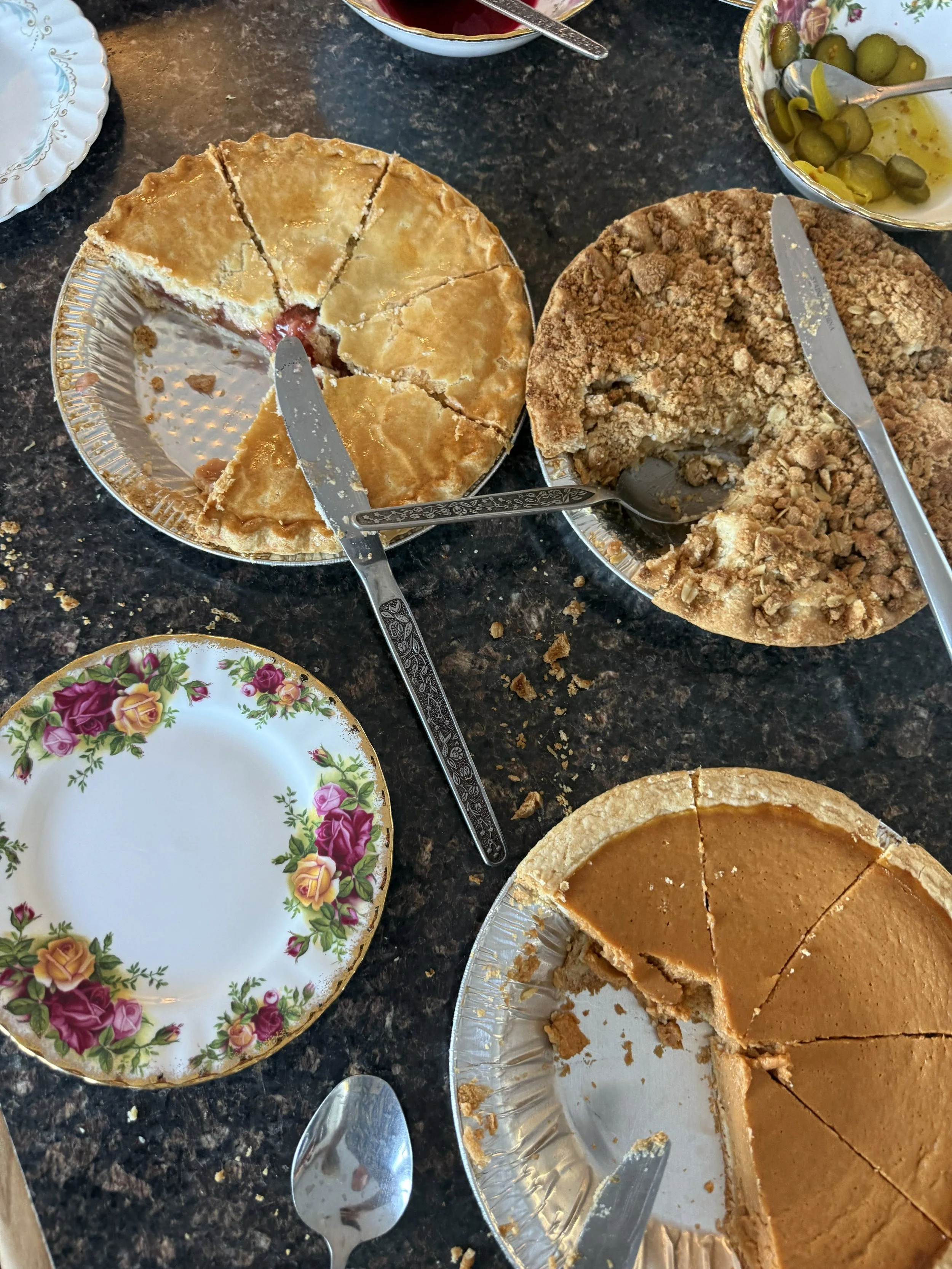
We also talked about celebrating the harvest, and that it’s long been very common in places with cold winters to celebrate the harvest season with family, friends and neighbours, because it was so important for survival. I mentioned that everyone would have helped everyone else harvest the food from their fields and preserve it for the upcoming snowy season, when no food would grow. That they couldn’t just go to a grocery store to get what they needed, so they had to have enough prepared before winter if they wanted to eat. And that this was all a community event, because it’s far too much work for each family to do on their own. Sitting down together to eat a big meal and to give gratitude for your community and your abundant harvest was a joyful and loving thing to do.
Caring For The Present
We talked about the things we’re thankful for. People, things, the beautiful land we live on. We talked about how we would have none of this today, good or bad, if it weren’t for the things that happened in the past. And then we talked about how that past has effected the lives of Indigenous people today. I showed the boys videos of powwows, of people dancing and drumming and singing. We talked about how beautiful and fun it looked, and how many kids their age were there. And I reminded them that the settlers who came here had once made it illegal for the Indigenous people to do those things and to celebrate their culture, and that they would be punished for doing so. I pointed out the kids in the powwow videos and mentioned that their grandparents and great-grandparents didn’t get to grow up going to events like that.
The kids firmly believe that the settlers, our ancestors, were bad. My eldest said “so that means we’re bad”. I was kind of hoping one of them would say it out loud so that I could address it. First, I said, “no, we’re not bad because our ancestors did bad things”. And then I said, “we can’t do anything to change what happened in the past. We can only work on making things better right now, in the present and for the future”. I told them that we have a responsibility to try to make things right in whatever way we can. I told them that there are lots of programs that exist to help Indigenous people remember their languages, dances, songs and ways of life, and that we can give money to some of these programs so that they can reach the people they need to reach. So I presented a handful of options to the kids and let them each pick one to donate to. My eldest chose Under One Sky Friendship Centre in Fredericton, and my youngest chose the Wolastoqey Language Fund via the Ulnooweg Indigenous Communities Foundation.
Holding Two Truths
To me, Thanksgiving can be about more than one thing. It can be about gathering, feasting, and celebrating the good things in our lives with the people we care about. And it can be about remembering how we got here in the first place, and our responsibilities to the Indigenous communities that continue to face obstacles that wouldn’t exist if it weren’t for us. We can uphold our traditions, so long as they aren’t traditions of erasure and supremacy. We can teach our kids the truth (I promise they can handle it), and we can lead them toward a better way, by being an example of what that looks like.